
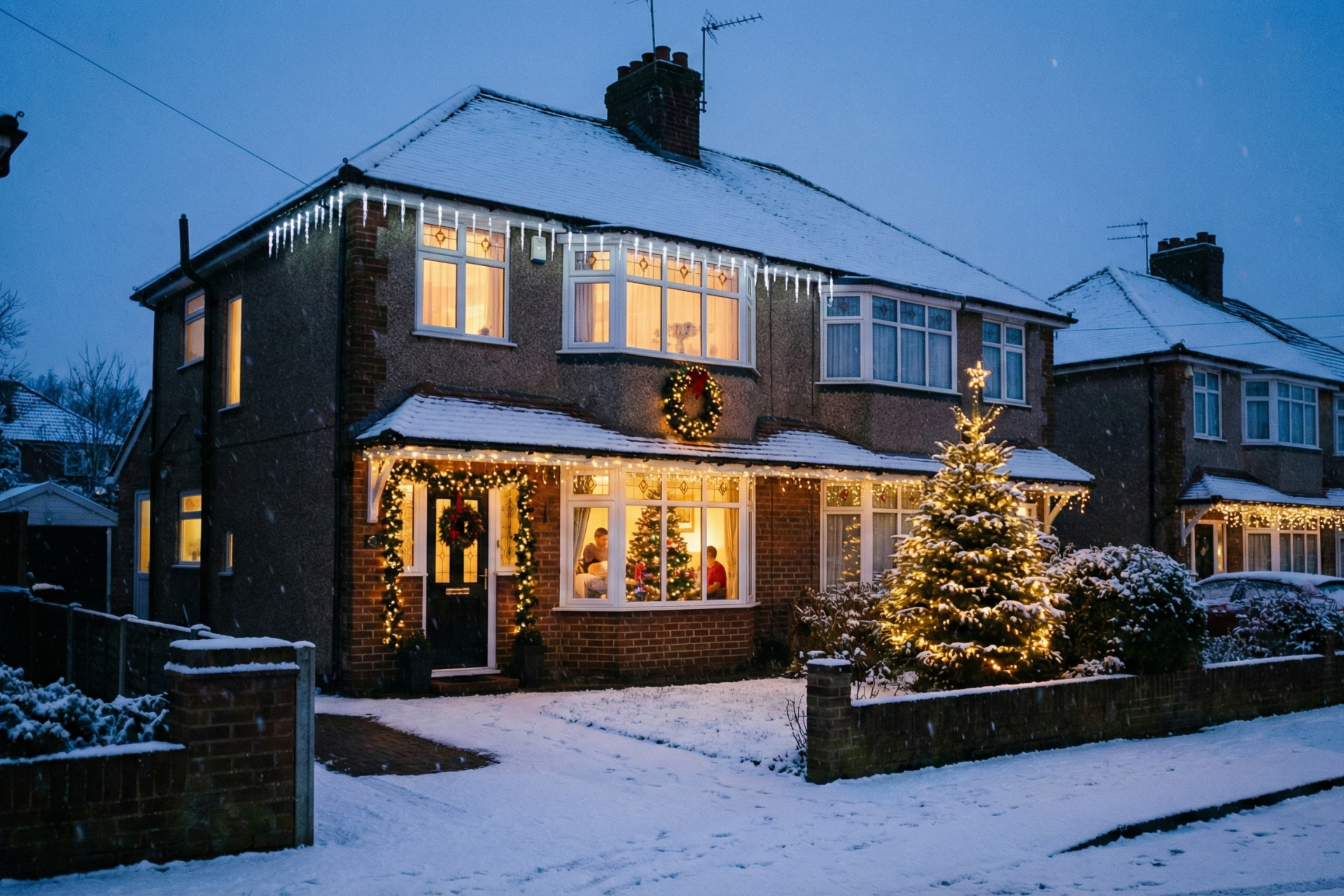
Winter. The word itself conjures images of cosy evenings, crackling fires, festive lights, and the comforting glow of candles. It’s a time for gathering with loved ones, celebrating Christmas, and perhaps indulging in a little extra warmth from a portable heater. But amidst these idyllic scenes lies an often-overlooked danger: a significant increase in fire risk.
As the temperatures drop and the nights draw in, our energy consumption rises, and with it, the potential for devastating house fires. A surge in home fires during the colder months are consistently reported on, with December, January, and February seeing the highest numbers. This isn’t a coincidence. It’s directly linked to our winter habits, particularly the increased use of portable heating devices, the strain on electrical systems from festive decorations, and the widespread use of candles.
This winter, let’s make fire safety a priority. Here’s your comprehensive checklist to ensure your home remains a safe space, not a hazard.
The Portable Heater Peril
Portable heaters can feel like a godsend when you want to warm up a specific room without cranking up the central heating. They’re convenient and relatively inexpensive, however, they are also one of the leading causes of home heating fires and related deaths.
The danger often stems from improper use. Many people place portable heaters too close to flammable materials like curtains, bedding, furniture, or even stacks of newspapers. A momentary lapse in judgment, a forgotten heater left running while you leave the room, or even an unexpected pet knocking it over can have catastrophic consequences.
Your Portable Heater Safety Checklist:
- Maintain a “3-foot rule”: Always keep portable heaters at least three feet (one metre) away from anything that can burn. This includes furniture, curtains, clothing, rugs, and even people.
- Plug directly into a wall outlet: Never plug a portable heater into an extension cord or power strip. These devices are not designed to handle the high wattage of a heater and can easily overheat, leading to a fire.
- Level and stable surface: Ensure the heater is placed on a flat, stable surface where it cannot be easily tipped over. Many modern heaters have tip-over protection, but it’s still best practice to minimise the risk.
- Unplug when not in use: Always unplug portable heaters when you leave the room or go to bed. Never leave them running unattended.
- Inspect cords: Regularly check the power cord for any signs of fraying, damage, or overheating. If the cord is hot to the touch, unplug it immediately and have the heater inspected or replaced.
- Keep away from children and pets: Explain the dangers of portable heaters to children and make sure pets cannot accidentally knock them over.
- Choose the right heater: Opt for models with safety features like automatic shut-off if tipped over or if they overheat.
Overloaded Sockets and Festive Fun
The Christmas season is synonymous with twinkling lights, inflatable lawn decorations, and an array of new electronic gadgets. While these bring joy, they also place an enormous strain on your home’s electrical system. Overloaded electrical sockets are a silent but deadly threat, as they can cause circuits to overheat, melt wiring, and ignite fires within walls.
Your Electrical Safety Checklist:
- Avoid “daisy chaining”: Never plug multiple extension cords or power strips into one another. This significantly increases the risk of overloading the circuit.
- Don’t overload power sockets: Be mindful of how many devices are plugged into a single socket. If an outlet feels warm to the touch, it’s overloaded.
- Use power strips wisely: If you need more power sockets, use a surge protector or a power strip with an internal circuit breaker. However, remember these devices don’t increase the available power; they only allow you to plug in more items safely up to the circuit’s limit.
- Inspect cords and lights: Before putting up any decorations, carefully inspect all electrical cords for fraying, cracks, or damage. Discard any damaged items.
- Outdoor lights for outdoor use: Ensure any outdoor lights or decorations are specifically rated for outdoor use, as they are designed to withstand moisture and extreme temperatures.
- Unplug decorations: Turn off and unplug all Christmas lights and decorations before leaving your home or going to bed.
- Professionally installed power outlets: If you consistently find yourself needing more power sockets, consider having a qualified electrician install additional permanent mains outlets.
The Allure and Danger of Candles
Candles create a wonderful ambiance, especially during the festive season. Their soft glow can transform any room into a cosy haven. However, their open flame makes them an inherent fire risk, and sadly, candle-related fires spike dramatically around Christmas.
Your Candle Safety Checklist:
- Never Leave Unattended: This is the golden rule of candle safety. Never leave a burning candle unattended, even for a moment. Extinguish all candles before leaving a room or going to sleep.
- Maintain a “3-Foot Rule” (Again!): Just like portable heaters, keep candles at least three feet away from anything flammable. This includes curtains, bedding, decorations, books, and clothing.
- Stable, Heat-Resistant Surface: Place candles on a sturdy, non-combustible surface that won’t tip over. Use appropriate candle holders that collect dripping wax.
- Keep Wicks Trimmed: Trim candle wicks to about ¼ inch before each use. A long wick can create a larger flame and can cause the candle to burn too quickly.
- Extinguish Carefully: Use a snuffer to extinguish candles to prevent hot wax from splashing. Ensure the wick is no longer glowing.
- Away from Drafts: Avoid placing candles near open windows, vents, or fans, as drafts can cause flames to flicker and potentially ignite nearby materials.
- Consider Flameless Candles: For ambiance without the risk, battery-operated flameless candles are an excellent alternative, especially in homes with children or pets.
The Non-Negotiable Necessity: Fire Alarms
All the prevention in the world can’t eliminate risk entirely. Accidents happen. That’s why a functioning fire alarm system isn’t just a recommendation; it’s a critical, life-saving necessity.
A working smoke alarm can give you and your family precious minutes to escape a fire, minutes that can mean the difference between life and death. Research suggests that in homes with working smoke alarms, the risk of dying in a reported home fire is cut in half.
Your Fire Alarm Checklist:
-
- Install strategically: For maximum protection, install smoke alarms on every level of your home, inside each bedroom, and outside each sleeping area.
- Test regularly: Make it a habit to test your smoke alarms at least once a month. Press the test button and listen for the alarm.
- Change batteries annually: Even if your alarms are hardwired, they usually have battery backups. Replace the batteries at least once a year (a good time to do this is when you change your clocks for daylight saving).
- Replace alarms every 10 years: Smoke alarms don’t last forever. The sensors degrade over time. Check the manufacturing date on the back of your alarms and replace any that are ten years or older.
- Carbon monoxide detectors: While not directly fire alarms, carbon monoxide detectors are equally important, especially with increased use of heating appliances. Carbon monoxide is a colourless, odourless, and deadly gas. Install these near sleeping areas.
- Develop an escape plan: Practice a home fire escape plan with your family. Know two ways out of every room, designate a safe meeting point outside, and practice the drill regularly.
- Arrange alarm inspections: The best way to ensure your fire alarm systems are in the best possible working condition is to arrange an annual service with a professional fire alarm installation company.
Embrace Fire Safety
This winter, let’s embrace the warmth and cheer of the season, but let’s do so with caution and preparedness. Taking these simple steps can significantly reduce your risk of a devastating house fire, ensuring your home remains a safe and joyful space for you and your loved ones. Stay warm, stay safe, and take fire safety seriously this winter.


02380 410 61002392 550 627
[email protected]