
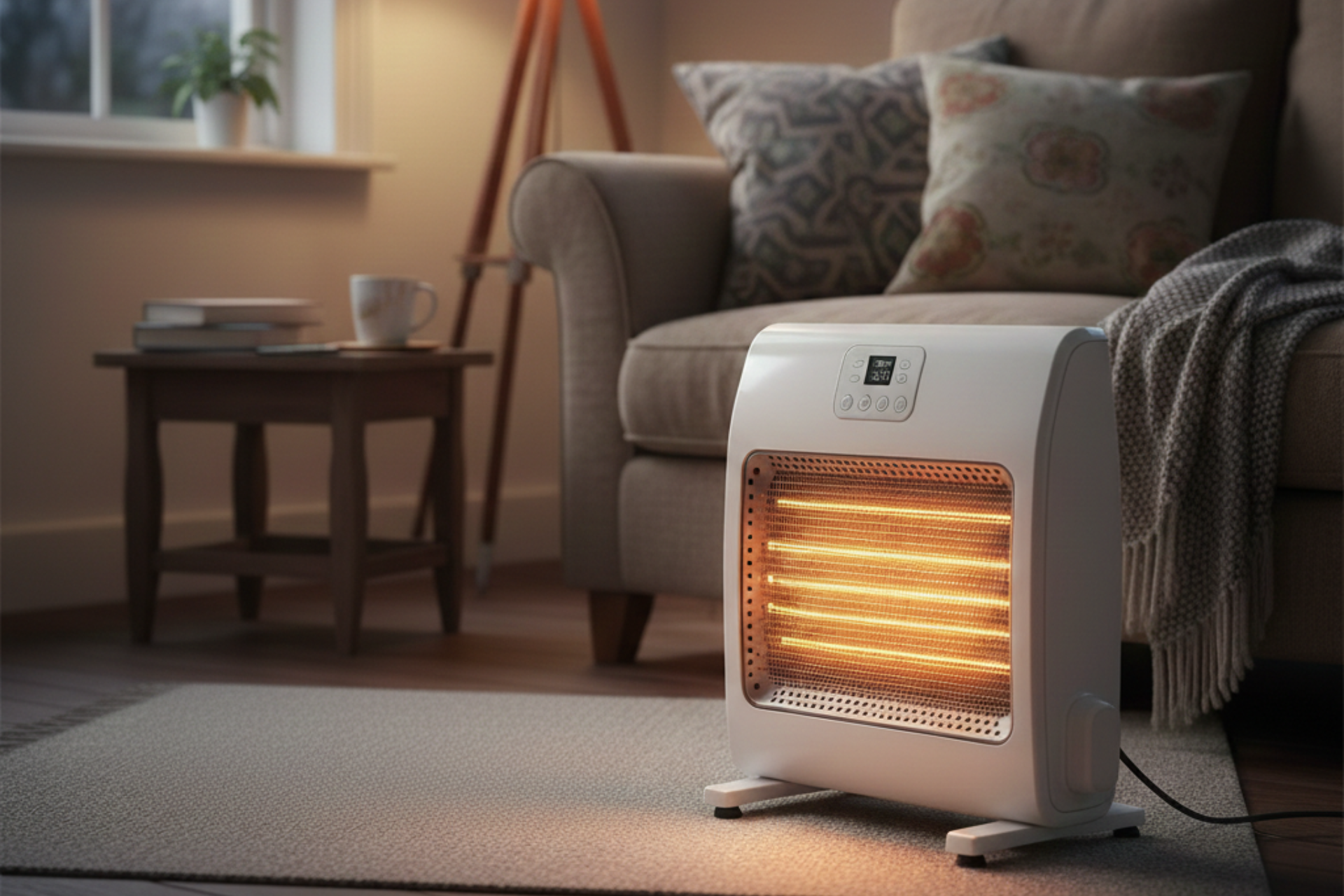
With the festive lights long gone, and the UK experiencing a cold spell, most of us have one primary goal for our homes at the moment: staying warm. But as we crank up the thermostat and plug in the portable heaters to combat the bitter chill, we inadvertently introduce fire hazards that increase the risk to our homes.
It is quite a sobering statistic, but January and February are notoriously the peak months for house fires in the UK. The combination of heating systems running at full capacity, the increased use of electrical appliances, and the use of portable heaters creates a perfect storm for potential hazards. While we hunker down waiting for signs of spring, it’s important to ensure that your pursuit of a warm and comfortable home doesn’t compromise your family’s safety.
The Danger of ‘Daisy-Chaining’
When the temperature drops, our electricity usage often spikes. We plug in portable heaters, heated drying racks and dehumidifiers to dry laundry indoors, and electric blankets to warm our beds. The danger arises when we run out of wall sockets and reach for the extension leads instead.
“Daisy-chaining”—plugging one extension lead into another—is a major fire risk, especially when high-wattage appliances like space heaters are involved. These devices draw a significant amount of power that can easily overheat a standard extension block, leading to the risk of melted plastic and sparks.
Electric blankets are a winter luxury, but they require respect. If your blanket has been folded up in a cupboard for ten months, make sure to inspect it rigorously before use. Look for frayed fabric, exposed wires, or scorch marks. The most important thing to remember is to never leave an electric blanket switched on overnight unless it has a thermostatic control specifically designed for safe all-night use.
The Silent Threat of Carbon Monoxide
While fire is visible, one of the other most dangerous winter threats is not. During January and February, your boiler is working overtime, likely running for more hours a day than at any other time of year. If a fuel-burning appliance (gas boiler, log burner, or open fire) is faulty or poorly ventilated, it can produce Carbon Monoxide.
Known as the “silent killer” because it is colourless, odourless, and tasteless, Carbon Monoxide cannot be detected by human senses. The only way to know you’re in danger is if your Carbon Monoxide detector sounds the alarm.
Now is the critical time to test your alarms. Press the test button today. If the batteries are low or the alarm unit is past its expiry date, it’s crucial that you replace it immediately. It is a small action that could save your life while you sleep.
Invest in Interlinked Fire Alarms
Imagine the scenario that a fire starts in your utility room or kitchen due to a faulty tumble dryer or heater. You’re fast asleep in a bedroom upstairs with the door closed. Will you hear the smoke alarm beeping downstairs behind a closed door?
In many tragic cases, the answer is no. This is why standalone battery alarms, while better than nothing, are often insufficient for larger homes, particularly if you are a heavy sleeper. The gold standard for winter safety is a system of interlinked fire alarms.
With an interlinked system, every alarm talks to the others. If the detector in the kitchen senses smoke, the alarm in your bedroom, the hallway, and the landing will all sound simultaneously. This immediate, house-wide alert buys you precious minutes to evacuate safely. These minutes can be the difference between a terrible scare and a tragedy.
Don’t Leave It to Chance – Address Fire Hazards
Winter should be a time of creating a comfy and cosy home, not anxiety. By being mindful of not overloading electrical sockets, and ensuring your fire detection systems are active, you can enjoy the warmth of your home with peace of mind.
Is your home equipped to detect a fire the moment it starts, regardless of which room you are in? Don’t rely on outdated or standalone sensors. Contact First Contact Fire and Security today to discuss a professionally installed fire alarm system that helps ensure your family is protected around the clock.


02380 410 61002392 550 627
[email protected]