
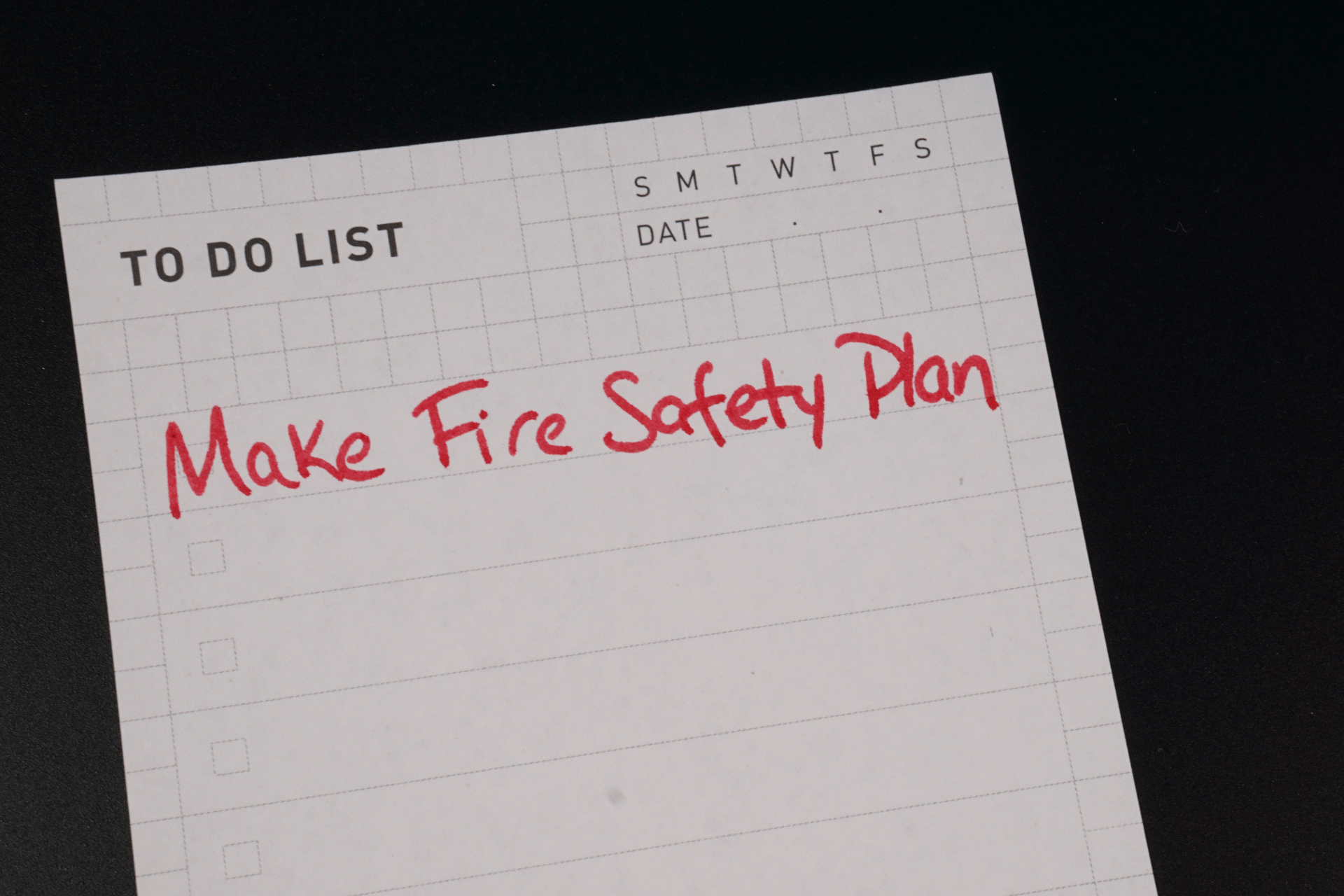
For any business, being prepared is key—not just for operational success, but also for ensuring the safety and well-being of employees, customers, and assets. Among the myriad risks that businesses must navigate, fire stands out as both a common and potentially devastating hazard. Yet, with the right approach to fire safety, the risks can be significantly mitigated. Creating a comprehensive fire safety plan is not just a regulatory requirement; it’s a fundamental responsibility of business ownership and management.
From understanding the legal obligations and identifying potential fire hazards to implementing preventive measures and training your staff, we’ll guide you through the essential components of a robust fire safety strategy. Our goal is to empower you with the knowledge and tools to protect your business from the threat of fire, ensuring a safe environment for everyone involved.
Building a Fire Safety Plan
Creating a comprehensive fire safety plan for a UK business involves several crucial steps, aligned with the regulatory requirements. These steps are designed to ensure a thorough approach to fire safety, mitigating risks and protecting lives and property. Here are the most important steps involved:
Conduct a Fire Risk Assessment
This is the foundational step of any fire safety plan. It involves identifying potential fire hazards, determining who may be at risk, evaluating those risks, and then recording the findings.
Potential fire hazards include:
- Sources of ignition, including electrical equipment, heating equipment, open flames and smoking materials
- Combustible materials including paper, cardboard, wood, plastics, textiles and flammable liquids and gases
- Oxygen sources that can exacerbate a fire, including oxidising materials and oxygen supplies
- Clutter, including waste materials that can provide fuel for fires and obstruct escape routes
- Inadequate workplace cleanliness
- Absence of fire separation and compartmentation, including fire resistant doors, floors and walls that can slow down the spread of fire
- Improper handling and storage of flammable liquids and gases
Implement Fire Safety Measures
Based on the risk assessment, the next part of a fire plan is to implement necessary fire safety measures. This includes installing fire alarm systems and fire-fighting equipment, along with implementing safe routes for escape, and other measures to reduce the risks identified in the assessment.
Plan for Evacuation
As stated above, it’s vital to develop clear and accessible escape routes. Ensure that there are enough exits for everyone to escape quickly, and that these exits are clearly marked and kept clear at all times. Practice evacuation procedures through regular fire drills.
Fire Safety Training and Information
All staff members should be aware of the fire safety plan and their role in it. This includes training on how to use fire-fighting equipment and how to evacuate, including special arrangements for vulnerable individuals, and what to do in case of a fire.
Fire Safety Equipment Maintenance
As well as installing suitable fire alarm systems and providing firefighting equipment such as fire extinguishers, it’s important to ensure that all fire safety equipment, including alarms, extinguishers, and sprinkler systems, are maintained on a regular basis. This is critical for early detection and control of fires.
Review and Update the Fire Safety Plan Regularly
Fire safety is an ongoing process. Just because a plan has been set, this does not mean that it shouldn’t change over time. The fire safety plan should be reviewed and updated regularly, especially after significant changes to the building layout, occupancy, or after an incident, to ensure it remains effective.
Designate Fire Safety Roles
Assigning responsibilities for fire safety to competent persons within a business is very important and helps to ensure that the right steps are taken in the event of a fire. Fire safety roles can include tasks like coordinating fire drills, maintaining fire safety equipment, and acting as a point of contact for the fire services. It’s important that there is always a plan in place for contacting emergency services quickly when there is a fire. Information about your premises and any specific risks should be readily available to firefighters and other emergency responders, so having a designated person to act as a point of contact is key.
Ensure Compliance with Building Regulations
Make sure that your premises comply with UK building regulations concerning fire safety. This includes aspects like fire-resistant materials, emergency lighting, and proper ventilation systems to control the spread of smoke.
Document Everything
Keep a record of all aspects of your fire safety plan, including the risk assessment, any actions taken, and details of training provided. This documentation will be crucial for demonstrating compliance with regulations and for informing ongoing fire safety practices.
By following these steps, you can create a comprehensive fire safety plan that not only complies with legal requirements but also fosters a culture of safety and preparedness within your business.
Fire Alarm Systems
Fire alarm installation is an indispensable safety measure for all commercial properties, serving as a first line of defence against the potentially devastating impact of fires, providing early detection that can save lives, preserving property and minimising business interruption.
To discuss the modern fire alarm systems available for businesses, including conventional, analogue addressable and wireless fire alarm systems, and to discuss which fire alarm system is right for your business, call us today on 02380 410 610.


02380 410 61002392 550 627
[email protected]